

What Is Female Infertility?
Female infertility refers to a woman with challenges to get pregnant after 6 to 12 months of regular, unprotected intercourse.
This can be due to many factors such as:
- Age: Fertility naturally decreases after the mid-30s due to reduced egg quantity and quality.
- Ovulation issues: Having problems with releasing eggs regularly
- Hormonal imbalances: Conditions like Polycystic Ovary Syndrome (PCOS) or Thyroid Disorders can affect fertility.
- Structural problems: Blocked fallopian tubes, uterine abnormalities, or pelvic adhesions can prevent conception.
- Lifestyle factors: Smoking, excessive alcohol, obesity, or extreme stress can contribute to infertility.
Why Does Age Matter To A Women’s Fertility Journey?
Age plays a crucial role in a woman’s ability to get pregnant because fertility naturally declines over time, especially after age 35. Key reasons include:
- Fewer eggs available: As women get older, the number of healthy eggs in the ovaries decreases.
- Higher chance of egg problems: Older eggs are more likely to have chromosomal issues, which can cause miscarriages or conditions like Down’s Syndrome.
- Overall fertility decline: Age-related changes in hormones and the reproductive system can make it harder to conceive.
At Sunfert, we encourage females who are 25 years old and above to take the Anti-Mullerian Hormone (AMH) test as early as possible. This simple blood test helps estimate ovarian reserve and provides clarity on the AMH level which is able to empower women to plan their fertility journey without the pressures of a ticking biological clock.
How Ovulation Issues Affect a Woman’s Fertility Journey?
Ovulation is when a woman’s ovary releases an egg each month, creating the opportunity to conceive.
Irregular or absent ovulation can make getting pregnant difficult, as it becomes challenging to predict the fertile window and time intercourse effectively.
Common signs of ovulation problems include:
- Missed or irregular periods
- Very heavy or very light menstrual flow
- Difficulty predicting fertile days
Why Hormonal Imbalance Will Affect Women’s Fertility Journey?
Hormones are chemical messengers that control many body functions, including ovulation, menstruation, and pregnancy. When hormone levels are out of balance, it can directly affect a woman’s ability to conceive.
How hormonal imbalance impacts fertility:
- Irregular or missed ovulation: Hormones like FSH, LH, and progesterone regulate the release of eggs. Imbalances can prevent eggs from maturing or being released.
- Uterine lining too thin: A fertilised egg needs to attach to the lining of the uterus, which hormones such as oestrogen and progesterone help prepare. If the lining is too thin, the egg may struggle to implant and reduce the chances of pregnancy.
- Increased risk of conditions affecting fertility: Hormonal issues can contribute to PCOS, Thyroid Disorders, or early menopause, all of which reduce fertility.
- Unpredictable cycles: Hormonal problems can cause irregular periods, making it harder to track fertile days.
Common signs of hormonal imbalance include:
- Brain fog
- Severe mood swings
- Sudden weight changes
- Irregular or absent periods
- Easily fatigued or feeling tired
- Excessive hair growth or hair loss
What Do Structural Problems Mean and How They Affect Women’s Fertility Journey?
Structural problems refer to physical issues in the uterus, fallopian tubes, or ovaries that can make it harder for a woman to get pregnant naturally.
These problems can affect the egg’s release and fertilisation.
Common structural problems that affect fertility:
- Blocked fallopian tubes: Prevent the egg and sperm from meeting.
- Uterine abnormalities: Such as Fibroids, Polyps, or an unusually shaped uterus can interfere with implantation.
- Pelvic adhesions or scar tissue: Often caused by infections, surgery, or Endometriosis, which can affect the reproductive organs’ function.
How Lifestyle Can Affect Women’s Fertility Journey
Lifestyle choices can have a significant impact on women’s ability to conceive naturally.
Certain habits or conditions can reduce fertility or make it harder to maintain a healthy pregnancy.
Key lifestyle factors affecting fertility:
- Smoking: Can damage eggs and reduce ovarian reserve.
- Excessive alcohol: Can affect hormone balance and egg quality.
- Poor diet or obesity: Can cause hormonal imbalances and ovulation problems.
- Extreme exercise or low body weight: May disrupt ovulation.
- Stress: High stress levels can affect hormone regulation and menstrual cycles.
- Environmental exposures: Chemicals, toxins, or excessive heat may affect fertility.
When Should You Seek Medical Help?
Knowing when to consult a fertility specialist can make a significant difference in your chances of conception. The timeline often depends on your age:
- Age 35 or below: Try to conceive naturally for at least 12 months before seeking fertility treatment.
- Age 35 to 40: If pregnancy hasn’t occurred after 6 months of trying naturally, consult a fertility specialist.
- Age 40 and above: It is recommended to seek fertility evaluation and treatment immediately, as fertility declines more rapidly.
However, you can always go for an early consultation and fertility assessment first to help you to understand your fertility health and identify underlying fertility issues sooner.
This allows you to plan your fertility journey better and improves the likelihood of a successful pregnancy with or without fertility treatment.
Ready to take the next step in your fertility journey?
-
 Book a consultation
Dato' Dr Wong Pak Seng
Founder of Sunfert Group & Fertility Specialist- Sunfert@Bangsar South
-
 Book a consultation
Dr Eeson Sinthamoney
Group Medical Director & Fertility Specialist- Sunfert@Bangsar South
-
 Book a consultation
Dr Lim Lei Jun
Medical Director (Sunfert Bangsar South) & Fertility Specialist- Sunfert@Bangsar South
-
 Book a consultation
Dr Sumithra Devi Valiapan
Consultant Obstetrician, Gynaecologist & Fertility Specialist- Sunfert@Bangsar South
-
 Book a consultation
Dr Haris Njoo Suharjono
Medical Director (Sunfert Kuching) & Fertility Specialist- Sunfert@Kuching
-
 Book a consultation
Dr Tham Seong Wai
Medical Director (Sunfert Ipoh) & Fertility Specialist- Sunfert@Ipoh
-
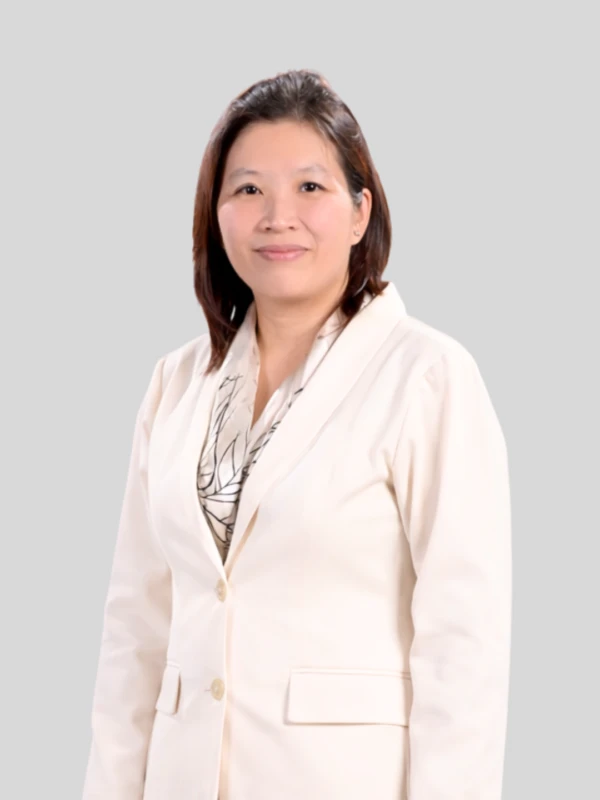 Book a consultation
Dr Evelyn Pang Mei Foong
Obstetrics, Gynaecology & Fertility Specialist- Sunfert@Seremban
-
 Book a consultation
Dr Chong Jie Wen
Consultant Obstetrician, Gynaecologist & Fertility Specialist (Sessional)- Sunfert@Ipoh
-
 Book a consultation
Dr Rohani Binti Effendy
Consultant Obstetrician, Gynaecologist & Fertility Specialist (Sessional)- Sunfert@Bangsar South