




Skip to content

Understanding Your Fertility

Take the first step towards understanding your fertility with clear, supportive insights into your reproductive health, potential challenges, and the options available to help you move forward with confidence

Go to content
Malay couple with baby after IVF success at Sunfert Malaysia
Malaysian Chinese couple with baby after successful IVF treatment at Sunfert International Fertility Centre
Euroasian international couple with baby after successful IVF treatment at Sunfert International Fertility Centre located in Malaysia

Helpful tools
Understanding female infertility causes, symptoms and IVF treatment options at Sunfert fertility centre

Understanding Female Infertility

Learn about the common causes of female infertility, key signs to look out for, and the treatment options available to help you take the next step with clarity and confidence.

Understanding male infertility, sperm health issues and IVF solutions at Sunfert fertility centre

Understanding Male Infertility

Discover the common causes of male infertility, the signs you should not overlook, and the treatment options available to help you move forward with greater confidence and clarity.
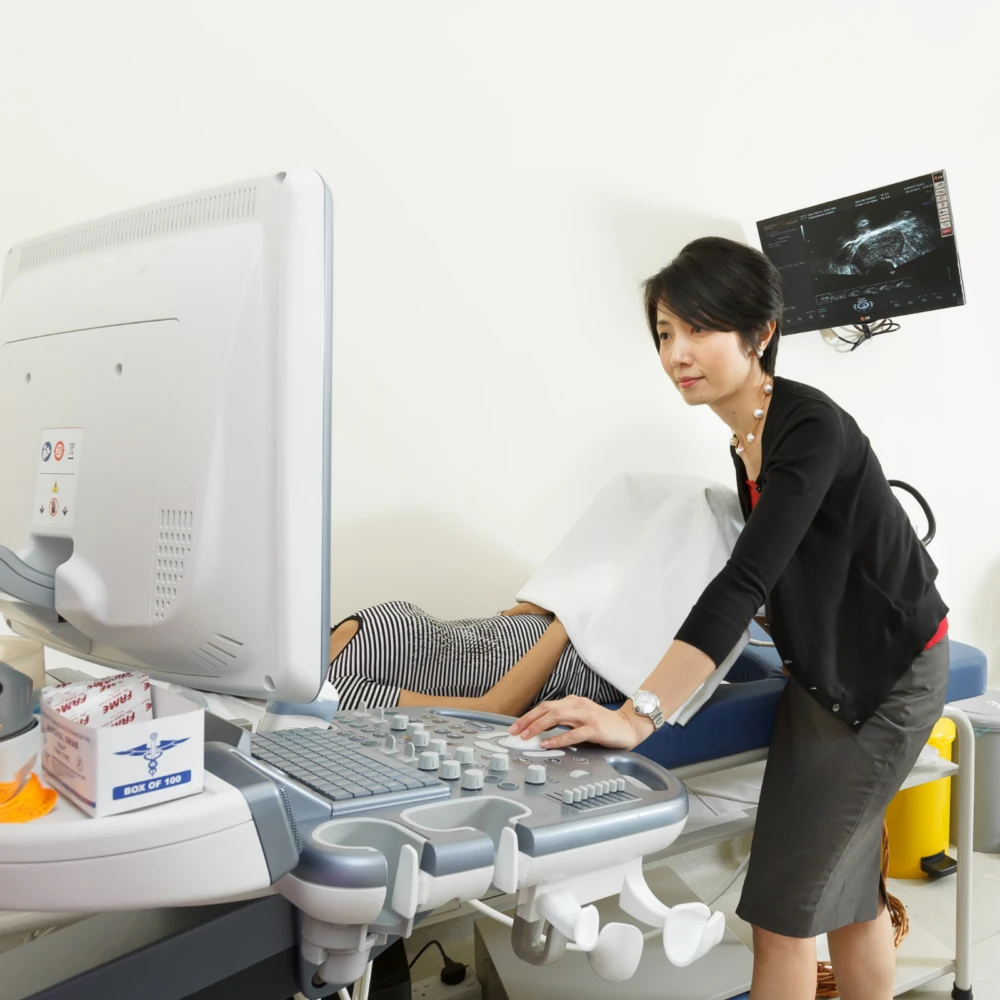
Comprehensive fertility assessment and testing for couples planning IVF at Sunfert fertility centre

Explore Female and Male Fertility Assessments Available at Sunfert

Get a clear picture of your reproductive health with a comprehensive fertility assessment and screening, designed to identify potential concerns early and guide you towards the most suitable next steps.

Understanding AMH levels and ovarian reserve for IVF fertility planning at Sunfert fertility centre

Understanding AMH Level

Understand what your AMH level means for your fertility, how it reflects your ovarian reserve, and what steps you can take to plan your next move with confidence.

Understanding recurrent miscarriages causes and IVF treatment support at Sunfert fertility centre

Understanding Recurrent Miscarriages

Understand the possible causes of recurrent miscarriage, what it may mean for your fertility, and the supportive care and treatment options available to help you move forward with hope and confidence.

Ready to start your fertility journey?

Book now

The Biological Clock

This tool indicates:

  • Natural conception per month if you have no fertility issues
  • IVF success rate at the same age
  • When to seek help after months of unsuccessful attempts

If you are concerned at any stage – we recommend booking a doctor appointment or a free nurse consultation. The sooner you make a plan the better your chances in the long term.

When to seek advice early

If you have polycystic ovaries, endometriosis, or have been through a cancer diagnosis; we recommend you get in touch quickly so we can talk you through all your options and give you the greatest possible chance of success.

If you’re a single woman considering motherhood in the future; it’s best to approach us early and consider egg freezing as this can be an option for you while you have a higher ovarian reserve and healthier eggs.

Set your age and the months you’ve been trying to conceive
26
2
Your chance of having a baby per month for fertile couples
Your chance of having a baby per IVF cycle (if experiencing infertility)

Body Mass Index calculator

Being overweight or underweight can reduce fertility, so it is important to keep your body weight within the normal healthy range.

Body Mass Index (BMI) is an indication of your body weight and can be calculated by dividing weight by height. You should aim for a BMI of between 20 and 25, as this will optimise your chances of conception.

Woman’s BMI below 19

Even in these modern times, nature knows best. If a woman's BMI falls below 19, the body senses famine and ovulation is switched off to prevent the risk of having a baby with malnutrition. Excessive exercise can reduce body fat and increase muscle mass to a point where periods cease for the same reason. Risk of miscarriage is also increased in women with a low BMI.

Being underweight

If a woman's BMI falls below 19, the body senses famine and ovulation is switched off to prevent the risk of having a baby with malnutrition. Excessive exercise can reduce body fat and increase muscle mass to a point where periods cease for the same reason. Risk of miscarriage is also increased in women with a low BMI.

BMI’s greater than 30

This can reduce fertility by 50%. Pregnancy for women with a 30+ BMI is often associated with problems such as maternal diabetes, high blood pressure, big babies and increased risk of caesarean section.

Add your height and weight to calculate your BMI