

What is Platelet-Rich Plasma (PRP)?
Platelet-Rich Plasma (PRP) is a concentration of platelets derived from the patient’s own blood, rich in growth factors and regenerative proteins. By isolating these platelets and injecting them into targeted areas, PRP encourages tissue repair, cellular growth, and improved blood flow.
At Sunfert, PRP is used as a safe, minimally invasive method to support reproductive health, helping patients optimise fertility potential.
How PRP Can Help in Fertility?
PRP supports fertility through 2 main approaches for:
- Ovarian Rejuvenation
- Endometrial Rejuvenation
1. Platelet-Rich Plasma (PRP) for Ovarian Rejuvenation
What is Ovarian Rejuvenation?
Ovarian Rejuvenation is a fertility treatment designed to restore and optimise ovarian function.
During the procedure, PRP is injected into the ovaries to stimulate dormant follicles, enhance ovarian activity, and improve egg quality.
This treatment is particularly beneficial for women with diminished ovarian reserve or age-related fertility challenges.
Ovarian Rejuvenation is commonly recommended for patients who:
- have a reduced ovarian reserve
- are experiencing early menopause or poor egg quality
- wish to improve fertility outcomes before trying IVF treatment
How Ovarian Rejuvenation can help:
- PRP stimulates dormant ovarian follicles, improves hormonal balance, and may enhance egg quality, potentially increasing the chances of conception.
The Ovarian Rejuvenation procedure, step by step:
1. A small amount of blood is drawn and processed to extract platelet-rich plasma.
2. The platelet-rich plasma is then carefully injected into the ovaries under ultrasound guidance. The process is minimally invasive, safe, and typically performed as a day procedure.
2. Platelet-Rich Plasma (PRP) for Endometrial Rejuvenation
What is Endometrial Rejuvenation?
Endometrial Rejuvenation is a treatment that enhances the uterine lining to support successful embryo implantation.
PRP is injected into the endometrium to improve thickness, promote vascular blood circulation, and increase receptivity.
This approach is particularly beneficial for patients with a thin or unresponsive uterine lining or those experiencing recurrent implantation failure, helping to optimise conditions for embryo implantation.
Endometrial Rejuvenation is commonly recommended for patients who:
- have a thin or unresponsive endometrium
- are experiencing recurrent implantation failure
- are preparing for IVF and require a receptive uterine lining
How Endometrial Rejuvenation can help:
- PRP delivers growth factors that stimulate cellular repair and improve vascularisation, resulting in a thicker, healthier endometrium with enhanced receptivity for embryo implantation.
The Endometrial Rejuvenation procedure, step by step:
1. A small amount of blood is collected from the patient and processed to isolate the platelet-rich plasma.
2. The platelet-rich plasma is carefully injected into the uterine lining via a simple intrauterine injection. The procedure is minimally invasive, usually painless, and performed in a clinical setting under professional supervision.
Take the Next Step with Our Fertility Specialists
If you are facing fertility challenges, start with a consultation with our specialists. We will guide you through your fertility journey with expertise and compassionate care.
Make an appointment with our Fertility Specialist today and take the next step toward your parenthood goals.
-
 Book a consultation
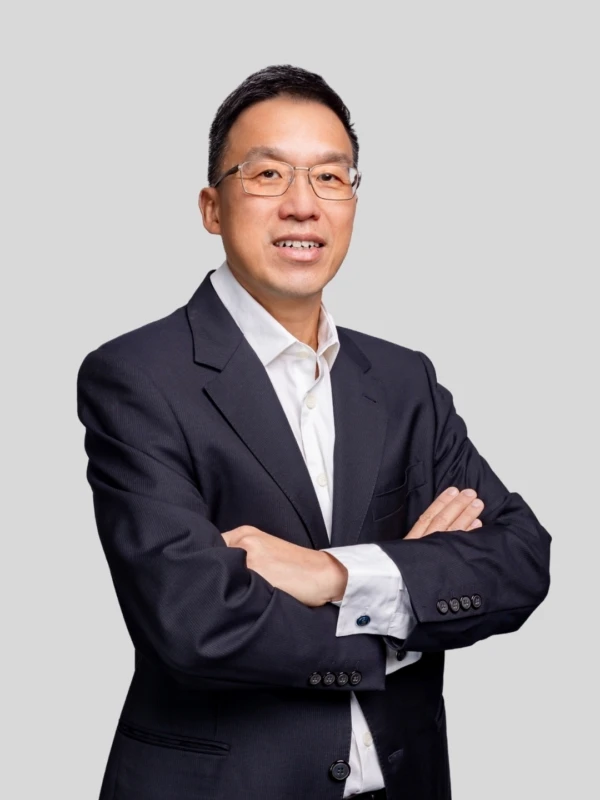
Dato' Dr Wong Pak Seng
Founder of Sunfert Group & Fertility Specialist- Sunfert@Bangsar South
-
 Book a consultation
Dr Eeson Sinthamoney
Group Medical Director & Fertility Specialist- Sunfert@Bangsar South
-
 Book a consultation
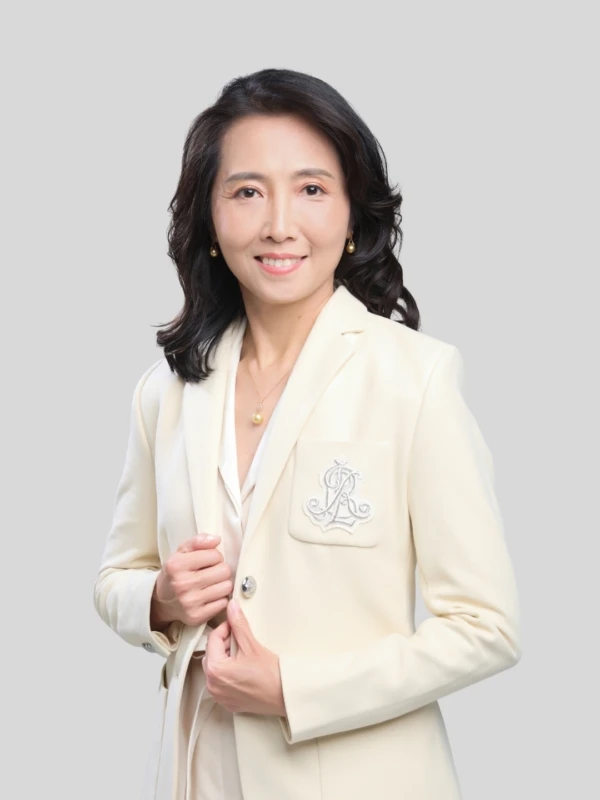
Dr Lim Lei Jun
Medical Director (Sunfert Bangsar South) & Fertility Specialist- Sunfert@Bangsar South
-
 Book a consultation
Dr Sumithra Devi Valiapan
Consultant Obstetrician, Gynaecologist & Fertility Specialist- Sunfert@Bangsar South
-
 Book a consultation
Dr Haris Njoo Suharjono
Medical Director (Sunfert Kuching) & Fertility Specialist- Sunfert@Kuching
-
 Book a consultation
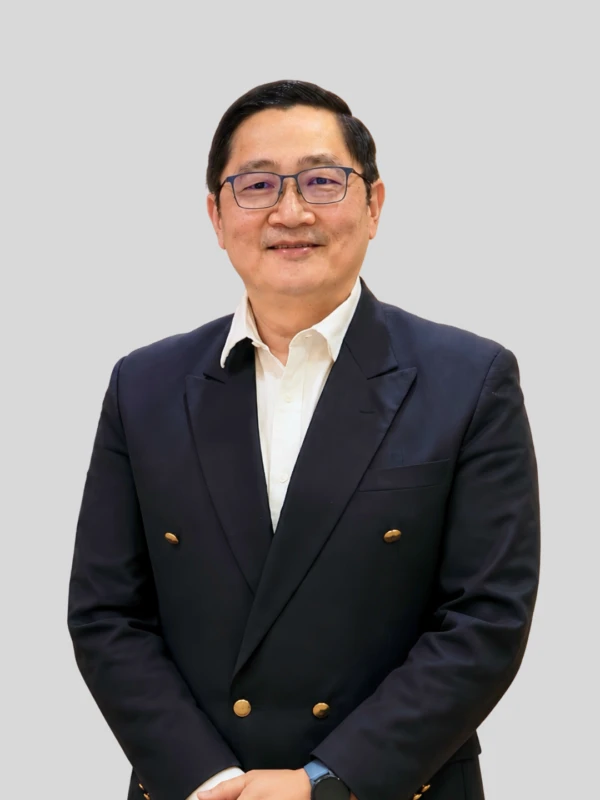
Dr Tham Seong Wai
Medical Director (Sunfert Ipoh) & Fertility Specialist- Sunfert@Ipoh
-
 Book a consultation
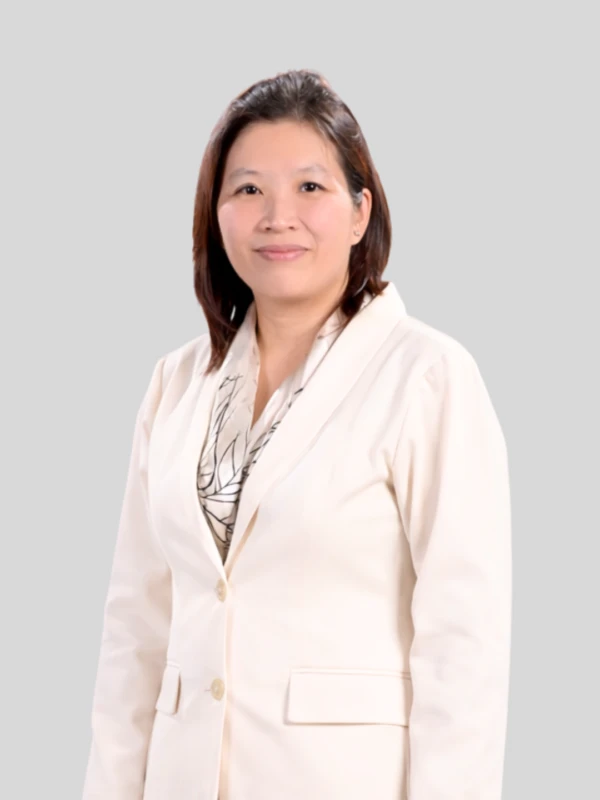
Dr Evelyn Pang Mei Foong
Obstetrics, Gynaecology & Fertility Specialist- Sunfert@Seremban
-
 Book a consultation
Dr Chong Jie Wen
Consultant Obstetrician, Gynaecologist & Fertility Specialist (Sessional)- Sunfert@Ipoh
-
 Book a consultation
Dr Rohani Binti Effendy
Consultant Obstetrician, Gynaecologist & Fertility Specialist (Sessional)- Sunfert@Bangsar South
What is Platelet-Rich Plasma (PRP) and how does it support fertility treatment?
Platelet-Rich Plasma (PRP) is a regenerative therapy that uses a concentrated portion of a patient’s own blood, rich in platelets and growth factors. In fertility care, PRP is used to support ovarian and endometrial function by promoting tissue repair, improving blood flow, and encouraging cellular regeneration. This may help enhance reproductive health and optimise conditions for conception.
How does PRP for ovarian rejuvenation work and who may benefit from it?
PRP for ovarian rejuvenation involves injecting platelet-rich plasma into the ovaries.
The growth factors help stimulate dormant follicles, support hormonal activity, and may improve egg quality.
It is generally considered for women with diminished ovarian reserve, early decline in ovarian function, or those seeking to improve fertility outcomes before IVF treatment.
What is endometrial rejuvenation using PRP and how does it improve implantation?
Endometrial rejuvenation using PRP involves injecting platelet-rich plasma into the uterine lining to improve thickness and blood circulation.
This helps create a more receptive environment for embryo implantation. It is particularly beneficial for patients with a thin endometrium, recurrent implantation failure, or those preparing for IVF who require improved uterine receptivity.
Is Platelet-Rich Plasma (PRP) treatment safe for fertility enhancement?
Yes, PRP is safe as it is prepared using the patient’s own blood, which minimises the risk of allergic reactions or immune complications.
The procedure is minimally invasive and performed under clinical supervision.