

Sunfert World-Class Laboratories
At Sunfert, we invest in modern infrastructure, housing multiple IVF laboratories and operating theatres.
Our laboratories are secured through airlocks and closely monitored to maintain the delicate environment essential for fertility treatments.
We practise the highest standards of cleanliness, with staff wearing protective clothing to minimise foreign contaminants. All equipment in our cleanrooms is strictly regulated, using low-Volatile Organic Compound (VOC) materials and approved furniture to maintain a sterile environment.
One of our main assets is the air quality of our cleanrooms, designed according to Cleanroom ISO 7 (Class 10,000) standards. This ensures the optimal environment for eggs and embryos, free from common toxins that can affect development. We continuously monitor airborne and surface particles, liquid levels, and static electricity to maintain this standard.

Sunfert Industry-Leading Technologies
Next-Generation Sequencing & Karyomapping
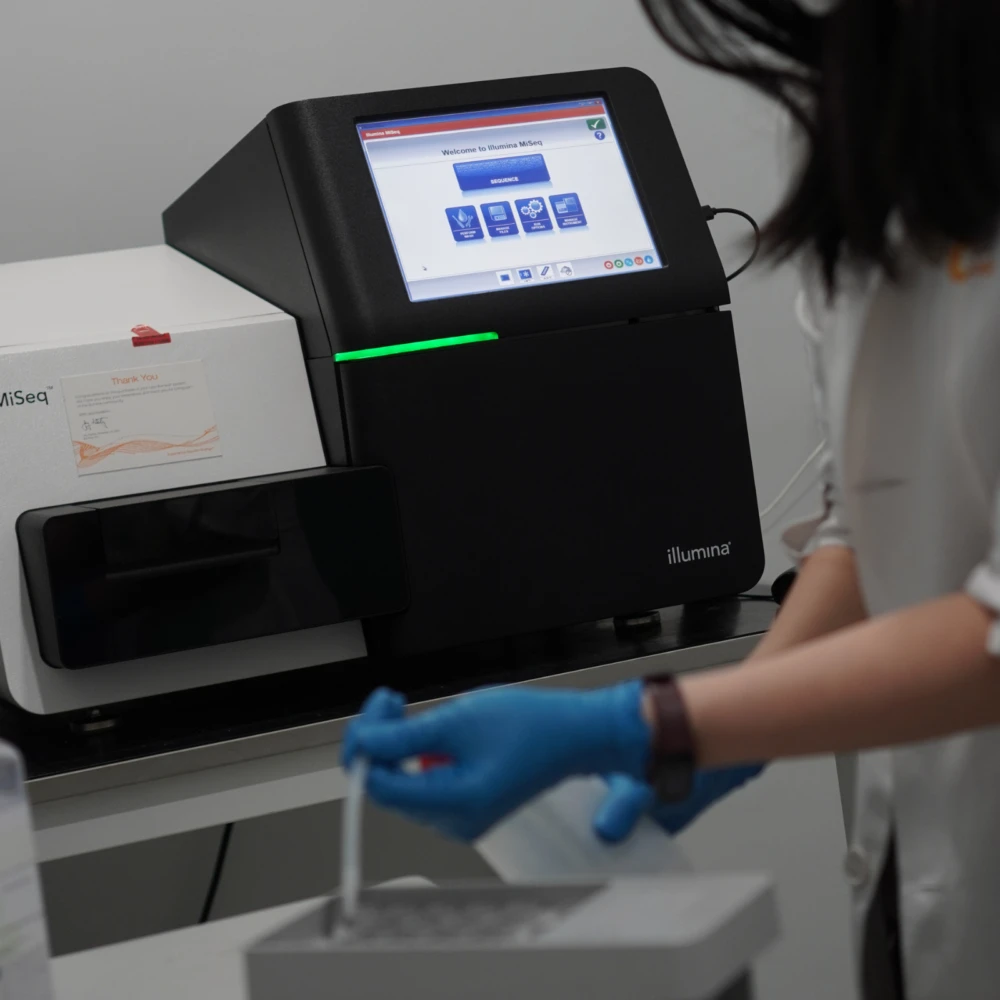
Our genetic scientists conduct genetic screening such as PGT-A and PGT-M to select embryos free of chromosomal abnormalities or inherited genetic disorders using the Next-Generation Sequencing (NGS) technology together with the Karyomapping system.
Both NGS and Karyomapping are the industry-leading technologies among their peers, offering unparalleled accuracy and efficiency in genetic screening for IVF.
Click to learn more about how we at Sunfert perform PGT-A and PGT-M for our patients
EmbryoScope™
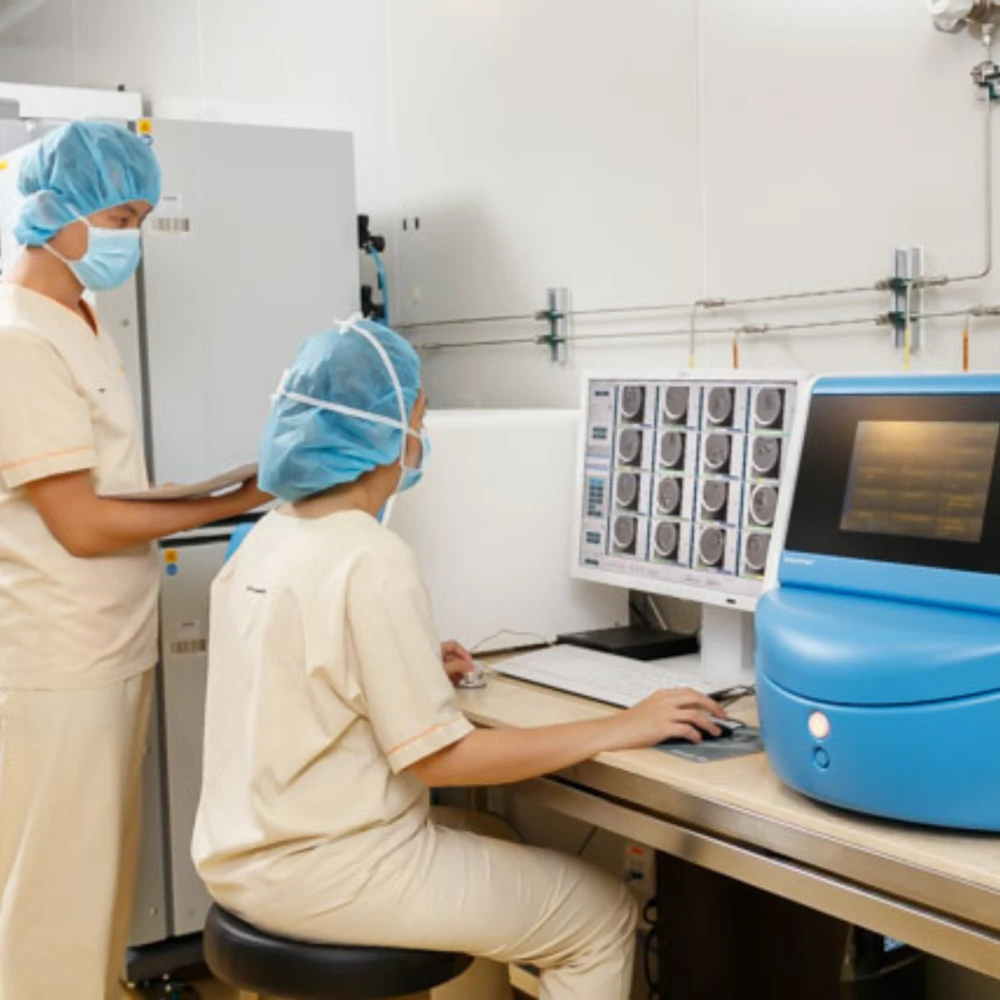
Sunfert’s heavy investment into EmbryoScope™, an industry-leading time-lapse embryo imaging incubator, allows precious embryos to develop in a stable environment while being photographed automatically at frequent intervals.
It is equipped with AI-powered tools such as iDAScore, KIDScore, and Guided Annotation that provide detailed, continuous insights into embryo growth.
Combining such advanced technology with our embryologists’ expertise, we continuously strive to optimise IVF outcomes and provide greater confidence for our patients.
High-Powered Microscopes
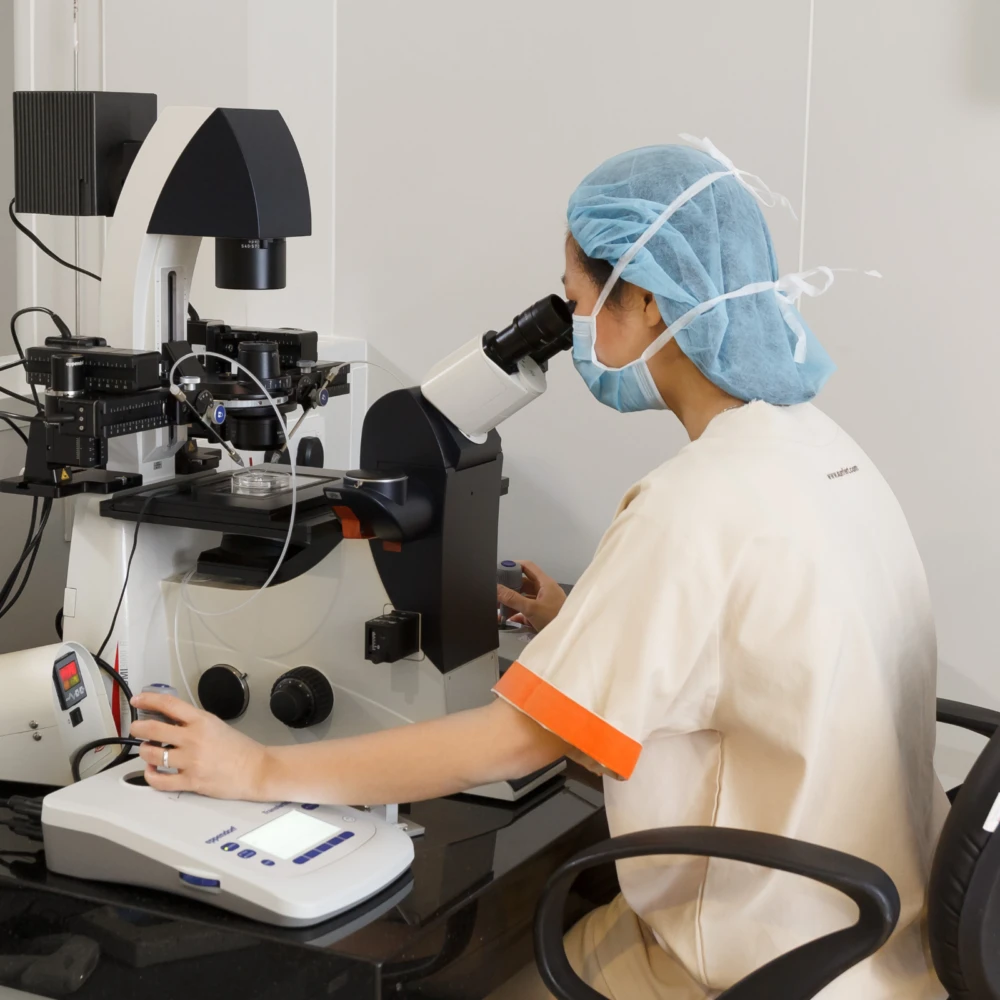
At Sunfert, we provide a full range of fertility treatments, including IMSI (Intra-Cytoplasmic Morphologically-Selected Sperm Injection).
In order to perform IMSI for our patients, we invested in high-powered microscopes that provide 6,000 to 7,000 times magnification, empowering our team to examine sperm in extraordinary detail and select the healthiest, most morphologically normal sperm for fertilisation.
By combining these technologies with our embryologists’ expertise, we enhance success rates for our patients and become one of the few fertility service providers that are capable of providing a full range of fertility services in Malaysia.
Laser Assisted Hatching (LAH)
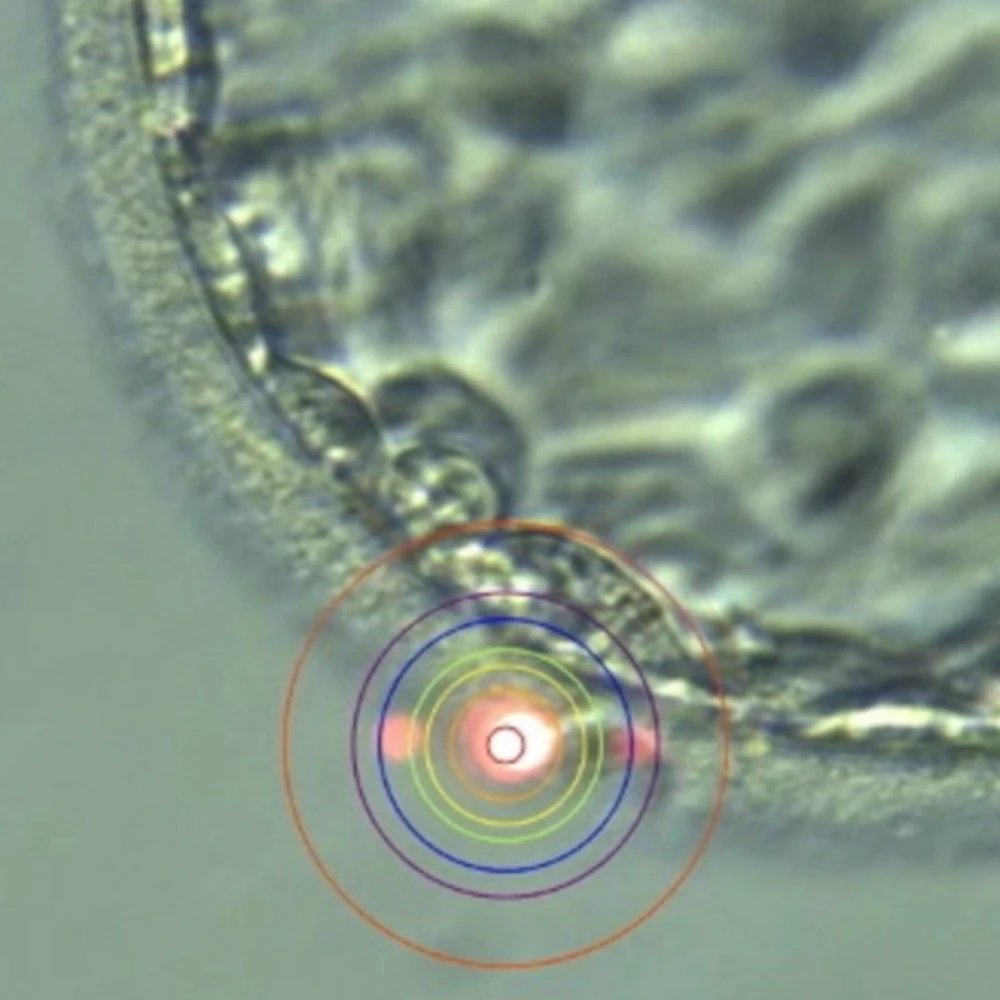
We invested in a high-precision microscopic laser system to help embryos hatch from their outer shell and improve the implantation rate in selected patients.
Advanced Vitrification Technology
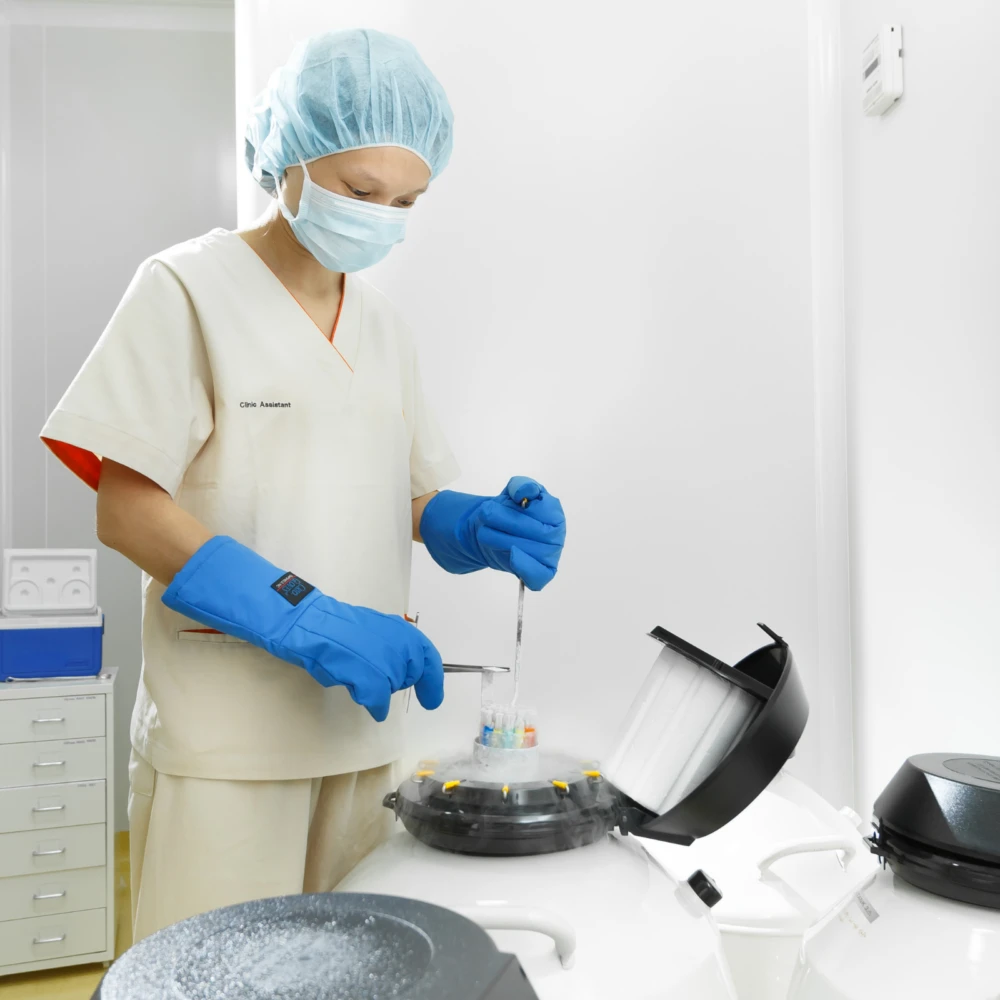
It is an advanced cryopreservation technology that is widely used in our laboratories for egg, sperm and embryo freezing, which maintains high survival rates for future fertility use.
Sunfert Cutting-Edge Laboratory Techniques
At Sunfert, we believe that technological advancement combined with clinical expertise is key to delivering the best outcomes for our patients. We invest not only in state-of-the-art technologies and world-class facilities but also in continuous training for our fertility specialists, embryologists, and genetic scientists.
This integrated approach allows our clinical team to offer a comprehensive range of fertility treatments, including:
Intra-Cytoplasmic Sperm Injection (ICSI)
- Precise sperm injection into the egg for male-factor infertility.
Intra-Cytoplasmic Morphologically-Selected Sperm Injection (IMSI)
- Selecting sperm with good morphology under 6,000 to 7,000× magnification for improved embryo quality.
Physiological Intra-Cytoplasmic Sperm Injection (PICSI)
- Selecting mature sperm based on hyaluronic acid binding to enhance fertilisation potential.
Reproductive Surgery for Females
- Including hysteroscopy and laparoscopy to address structural or anatomical issues affecting fertility.
Reproductive Surgery for Males
- Including MESA, PESA, TESA, and TESE for sperm retrieval in cases of obstructive or non-obstructive azoospermia.
By combining these advanced techniques with our team’s expertise, we ensure personalised, high-quality fertility care for every patient.