

What is Ovarian Tissue Cryopreservation (OTC)?
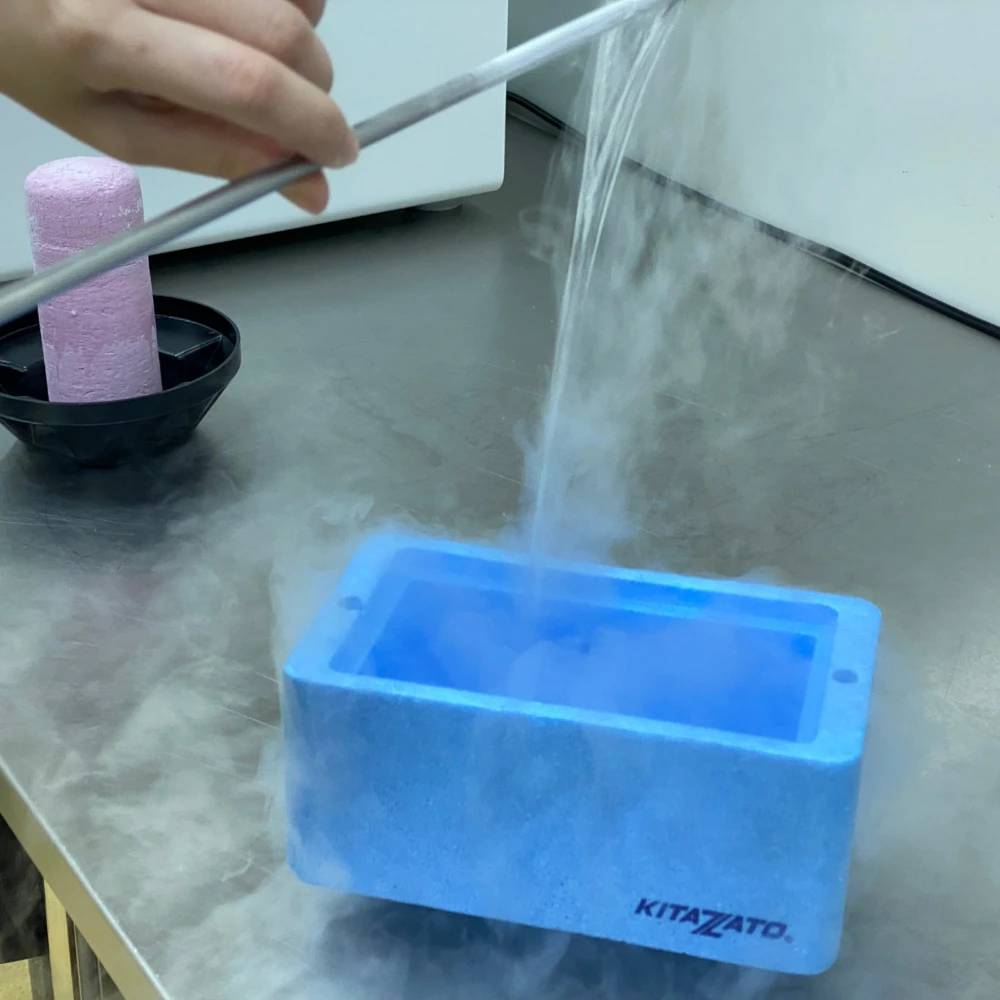
Ovarian Tissue Cryopreservation (OTC) is a fertility preservation method where a small portion of ovarian tissue is surgically removed and frozen. This tissue contains immature eggs that can later be transplanted back through In-Vitro Fertilisation (IVF) treatment.
We use advanced cryopreservation techniques to maintain tissue viability, offering women a chance to conceive when they are ready.
Who Can Benefit from OTC?
OTC is suitable for women who:
- are about to undergo cancer treatments (chemotherapy or radiotherapy) that may affect fertility.
- have medical conditions that risk early ovarian failure.
- are at risk of premature ovarian insufficiency due to genetic or autoimmune conditions.
When Should A Patient Consider OTC?
Timing is crucial for the success of OTC. We recommend considering this procedure if patient:
- is diagnosed with a condition that may affect ovarian function.
- plan to undergo treatments known to compromise fertility.
- desire to preserve fertility at a younger age to increase the chances of future conception.
How is OTC Performed at Sunfert?
At Sunfert, OTC can be done within 3 steps:
Step 1: Fertility Evaluation
During a fertility assessment, we conduct a comprehensive evaluation to identify potential factors affecting fertility and guide a personalised treatment plan.
Step 2: Tissue Removal
A small portion of ovarian tissue is carefully removed under sedation.
Step 3: Cryopreservation and Storage
The ovarian tissue is processed and frozen using advanced vitrification methods. Then stored securely in our world-class laboratory until the patient is ready to use it.
Take the Next Step with Our Fertility Specialists
If you are facing fertility challenges, start with a consultation with our specialists. We will guide you through your fertility journey with expertise and compassionate care.
Make an appointment with our Fertility Specialist today and take the next step toward your parenthood goals.
-
 Book a consultation
Dato' Dr Wong Pak Seng
Founder of Sunfert Group & Fertility Specialist- Sunfert@Bangsar South
-
 Book a consultation
Dr Eeson Sinthamoney
Group Medical Director & Fertility Specialist- Sunfert@Bangsar South
-
 Book a consultation
Dr Lim Lei Jun
Medical Director (Sunfert Bangsar South) & Fertility Specialist- Sunfert@Bangsar South
-
 Book a consultation
Dr Sumithra Devi Valiapan
Consultant Obstetrician, Gynaecologist & Fertility Specialist- Sunfert@Bangsar South
-
 Book a consultation
Dr Haris Njoo Suharjono
Medical Director (Sunfert Kuching) & Fertility Specialist- Sunfert@Kuching
-
 Book a consultation
Dr Evelyn Pang Mei Foong
Obstetrics, Gynaecology & Fertility Specialist- Sunfert@Seremban
-
 Book a consultation
Dr Chong Jie Wen
Consultant Obstetrician, Gynaecologist & Fertility Specialist (Sessional)- Sunfert@Ipoh
-
 Book a consultation
Dr Rohani Binti Effendy
Consultant Obstetrician, Gynaecologist & Fertility Specialist (Sessional)- Sunfert@Bangsar South
What is Ovarian Tissue Cryopreservation (OTC) and how does it work?
Ovarian tissue cryopreservation (OTC) is a fertility preservation technique where a small portion of ovarian tissue is surgically removed, frozen, and stored for future use.
The tissue contains immature eggs that may later support fertility when re-implanted or used in assisted reproduction such as IVF.
Advanced cryopreservation methods are used to maintain tissue viability at ultra-low temperatures, helping preserve reproductive potential for future pregnancy.
What are the risks or side effects after Ovarian Tissue Cryopreservation (OTC)?
Most patients experience mild discomfort after the procedure, with a short recovery period. Serious complications are rare. Any potential risks, such as bleeding or infection, are carefully discussed during consultation, and patients are closely monitored by our clinical team.
Who should consider Ovarian Tissue Cryopreservation (OTC)?
Ovarian tissue cryopreservation (OTC) is suitable for women at risk of losing fertility due to medical or genetic conditions.
This includes those undergoing chemotherapy or radiotherapy, individuals with conditions that may cause early ovarian failure, and women at risk of premature ovarian insufficiency.
A fertility assessment at a specialist centre such as Sunfert helps determine suitability.
How does Ovarian Tissue Cryopreservation (OTC) help with future fertility treatment?
Frozen ovarian tissue can later be re-implanted or used alongside IVF treatment to restore hormonal function or support egg development.
This provides an opportunity for natural or assisted conception in the future, depending on individual medical circumstances.
Can OTC (Ovarian Tissue Cryopreservation) guarantee pregnancy in the future?
Ovarian tissue cryopreservation (OTC) does not guarantee pregnancy, but it significantly improves the possibility of future conception.
Success depends on factors such as age at the time of tissue freezing, overall health, and tissue quality.
A personalised consultation helps set realistic expectations and guide the best fertility pathway.
When is the best time to consider Ovarian Tissue Cryopreservation (OTC)?
The best time to consider Ovarian tissue cryopreservation (OTC) is before any treatment or condition that may affect ovarian function.
This includes prior to cancer treatment, fertility-impacting surgery, or when early ovarian decline is diagnosed.
Earlier preservation generally improves the chances of future reproductive success.