

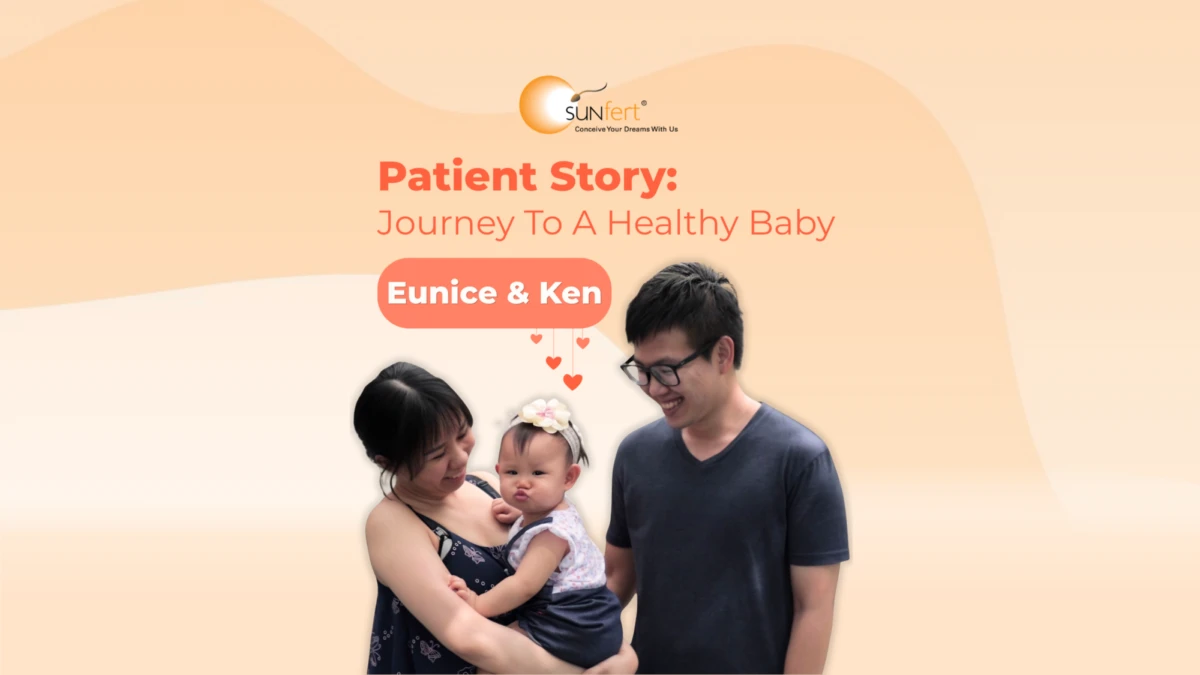
How Did Eunice and Ken Discover They Were Thalassemia Carriers?
Eunice and Ken were together for several years before marriage when routine health screening revealed unexpected genetic risks affecting their future family planning.
Eunice shared that it began with a simple medical check up. Her blood count was lower than normal, which led doctors to recommend further testing. That was when she discovered she was an alpha Thalassemia carrier.
Ken followed up with his own blood test shortly after and received the same result. The news came as a shock to both of them and their families, as there had been no prior awareness of any genetic condition.
What Challenges Did They Face After Marriage?
After marrying in 2015, Eunice and Ken hoped to start a family quickly but faced repeated pregnancy complications linked to Thalassemia Major.
Their journey included:
- 1st pregnancy diagnosed with Thalassemia Major leading to medical termination
- 2nd pregnancy ending in miscarriage
- 3rd pregnancy also affected by Thalassemia Major requiring another termination
Each experience brought overwhelming emotional and physical pain. Eunice described the labour ward as a place filled with silent grief, where she witnessed other families celebrating new life while she faced loss after loss.
The emotional impact extended far beyond the hospital. Everyday moments became painful reminders, from seeing baby items in shops to hearing songs or watching dramas. The grief felt constant and heavy.
How Did IVF and PGT-M Become Their Turning Point?
Eunice and Ken have no problem getting pregnant naturally without the help of IVF treatment, but they want to give a better and healthier start of life for their baby.
Hope entered their journey when they were introduced to IVF combined with Pre-implantation Genetic Testing for Monogenic Disorder, also known as PGT-M by their gynecologist.
They never knew such technology existed, but they knew it was the right choice to give their baby a healthy life while avoiding life impacting burden.
After researching and speaking with other couples in support groups, they decided to proceed with IVF treatment at Sunfert and here is where they met Dr Wong Pak Seng, the founder and fertility specialist of Sunfert International Fertility Centre.
Dr Wong explained the possibility of selecting healthy embryos before pregnancy. This was the first time they felt there might be a way forward.
During the IVF cycle:
- 8 embryos were created and tested
- Only 2 were found to be free from Thalassemia Major
- 1 healthy embryo was selected for transfer
That single decision changed everything.
What Was the Outcome of Their IVF Journey?
The embryo transfer was successful, leading to the pregnancy of their daughter, Chriselle.
After years of uncertainty and loss, Eunice and Ken finally experienced a healthy pregnancy outcome. Their daughter became a symbol of hope after a long and painful journey.
Eunice described Chriselle as their miracle baby, marking the end of years of emotional struggle and the beginning of a new chapter filled with gratitude.
What Advice Do Eunice and Ken Share With Other Couples?
Their message to couples planning a family is simple but powerful: early screening matters.
Key advice they share:
- Go for a simple blood test before trying to conceive
- Understand your genetic carrier status early
- Seek medical guidance if both partners are carriers
- Explore IVF options such as PGT-M when needed
They hope other couples do not go through the same emotional pain they experienced. In their words, pregnancy should be a time of joy, not repeated heartbreak.
A Story of Pain, Science, and Hope
Eunice and Ken’s journey reflects how silent genetic conditions can deeply impact family planning. Yet it also shows how modern fertility treatment, combined with early awareness, can change outcomes.
Today, their daughter Chriselle represents more than just a birth. She represents resilience, science, and hope coming together after years of emotional struggle.
For couples facing similar concerns, early screening and informed fertility planning can make a meaningful difference, and support is available through fertility centres such as Sunfert.
Take the Next Step with Our Fertility Specialists
If you are facing fertility challenges, start with a consultation with our specialists. We will guide you through your fertility journey with expertise and compassionate care.
Make an appointment with our Fertility Specialist today and take the next step toward your parenthood goals.
-
 Book a consultation
Dato' Dr Wong Pak Seng
Founder of Sunfert Group & Fertility Specialist- Sunfert@Bangsar South
-
 Book a consultation
Dr Eeson Sinthamoney
Group Medical Director & Fertility Specialist- Sunfert@Bangsar South
-
 Book a consultation
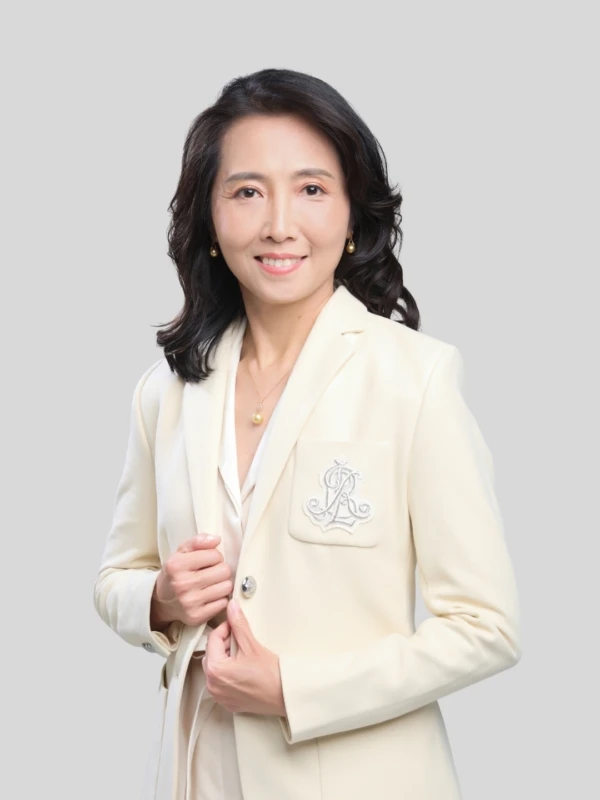
Dr Lim Lei Jun
Medical Director (Sunfert Bangsar South) & Fertility Specialist- Sunfert@Bangsar South
-
 Book a consultation
Dr Sumithra Devi Valiapan
Consultant Obstetrician, Gynaecologist & Fertility Specialist- Sunfert@Bangsar South
-
 Book a consultation
Dr Haris Njoo Suharjono
Medical Director (Sunfert Kuching) & Fertility Specialist- Sunfert@Kuching
Can 2 Thalassemia carriers have a healthy baby naturally?
Yes, but there is a risk that the baby may inherit Thalassemia Major. Genetic counselling and early testing such as PGT-M are strongly recommended.
Is IVF recommended for couples with Thalassemia?
PGT-M helps Thalassemia carrier couples reduce the risk of passing an inherited genetic disorder to their baby. To perform PGT-M, IVF treatment is required.
What is Pre-implantation Genetic Testing for Monogenic Disorder (PGT-M) in IVF?
Pre-implantation Genetic Testing for Monogenic Disorder (PGT-M) is an advanced genetic test performed during IVF to detect specific inherited genetic disorders caused by mutations in a single gene.
It allows our fertility specialists to identify embryos that are unaffected before transfer, helping reduce the risk of passing genetic diseases to the baby.
What genetic disorders can PGT-M detect?
PGT-M can screen for many inherited single-gene disorders, including:
- Thalassaemia (common in Malaysia and Asia)
- Cystic Fibrosis
- Huntington’s disease
- Spinal Muscular Atrophy (SMA)
- Certain metabolic and neurological genetic conditions
Does PGT-M improve IVF success rates?
PGT-M does not directly increase implantation rates, but it improves the likelihood of transferring embryos that are free from specific genetic disorders.
This contributes to better pregnancy outcomes and reduces the risk of inherited disease.
Can PGT-M help reduce miscarriage risk?
Yes, in some cases. By selecting embryos that are free from specific genetic disorders, PGT-M may lower the risk of miscarriage associated with inherited conditions, supporting a healthier pregnancy outcome.
Can PGT-M prevent genetic diseases completely?
PGT-M significantly reduces the risk of passing specific inherited genetic disorders by selecting unaffected embryos.
However, it does not guarantee a completely disease-free baby, as it targets only specific known gene mutations.
When should I speak to a fertility specialist about PGT-M?
You should consult a fertility specialist if you:
- know you or your partner carries a genetic condition
- have a family history of inherited disorders
- have experienced previous genetic-related pregnancy loss
- wish to explore safer IVF options
At Sunfert, our fertility specialists can help determine whether PGT-M is suitable for your situation. Transparency and honesty are core to our values.
We ensure that any additional procedures are recommended only when there is clear clinical benefit, so patients do not undergo or incur costs for treatments that are not necessary for their fertility journey.
Is PGT-M necessary for all IVF patients?
No. PGT-M is not required for every IVF patient. It is mainly advised for couples with a known risk of passing on specific genetic disorders. Our fertility specialist will recommend PGT-M based on medical history, genetic screening results, and individual circumstances.
If you are unsure whether you or your partner are carriers of certain genetic conditions, you may consider undergoing an Expanded Carrier Screening (ECS) blood test for further assessment.
Who should consider PGT-M?
PGT-M is recommended for individuals or couples with known genetic risks, including:
- carriers of inherited genetic disorders
- individuals affected by genetic conditions
- family history of inherited diseases
- previous child or pregnancy affected by genetic disorders
- couples planning IVF who want to reduce hereditary risk
How long does the PGT-M process take?
The timeline varies depending on the complexity of the genetic condition. Typically:
- Genetic preparation and probe development may take several weeks
- IVF cycle and embryo testing follow afterwards
Your fertility specialist will provide a personalised timeline based on your case.
What is Sunfert IVF with PGT-M Package?
IVF with PGT-M is a fertility treatment that combines In-vitro Fertilisation (IVF) with Pre-Implantation Genetic Testing for Monogenic Disorders (PGT-M).
It allows embryos to be tested for specific inherited genetic conditions before transfer.
This helps select embryos free from targeted disorders, supporting healthier pregnancy outcomes and reducing the risk of passing on genetic diseases.
Who should consider Sunfert IVF with PGT-M Package?
IVF with PGT-M is recommended for couples who:
- are carriers of known genetic disorders
- have a family history of inherited diseases
- have previously had a child affected by a genetic condition
- wish to reduce the risk of passing on monogenic disorders.
Our fertility specialist will assess medical and genetic history to determine suitability.
Is embryo biopsy safe during PGT-M?
Embryo biopsy is a highly specialised procedure performed at the blastocyst stage.
At Sunfert, this procedure are conducted by highly experienced and well-trained embryologists and genetic scientists using established protocols, hence we can assure our patients it is safe and would not affect the embryo development.