

Transferring Your Frozen Eggs, Sperm or Embryos to Sunfert
Your fertility plans may change over time, and so might your choice of fertility centre. Whether you are moving to a new location, seeking treatment closer to home or considering continuing your fertility journey with Sunfert, you may wish to transfer your frozen eggs, sperm or embryos from another fertility centre.
This process, known as cryopreserved reproductive material relocation, involves transferring stored reproductive materials between fertility centres under carefully coordinated conditions.
At Sunfert International Fertility Centre, we can help you navigate the requirements and arrangements involved, whether your reproductive materials are currently stored in Malaysia or overseas.
Can You Transfer Your Frozen Eggs, Sperm or Embryos to Sunfert?
Yes, Sunfert can consider requests to receive frozen eggs, sperm or embryos from other fertility centres.
However, each relocation request must first undergo a clinical assessment to ensure that the necessary medical records, consent forms and infectious disease screening requirements are in order.
Our team will review your circumstances and advise whether the transfer can proceed before any transportation arrangements are made.
How the Relocation Process Works
Relocating frozen reproductive materials requires coordination between you, your existing fertility centre, Sunfert and an appointed transporter.
Here is what you can expect throughout the process.
Step 1: Initial Enquiry and Consultation
The first step is to contact Sunfert through our website, phone, WhatsApp or social media channels to express your interest in relocating your stored reproductive materials.
Our team will arrange a consultation with one of our fertility specialists to understand your medical history, reasons for relocating and future treatment plans.
If you are based overseas or unable to visit us in person, you may enquire about a virtual consultation for an initial discussion.
Following the assessment, our team will advise you on the requirements and next steps.
Step 2: Consent and Medical Documentation
Before your frozen eggs, sperm or embryos can be transferred, the necessary documentation and consent forms must be completed.
This includes your authorisation for your existing fertility centre to release the stored materials and your consent for Sunfert to receive them.
Our clinical team will also coordinate with your existing centre to obtain the relevant medical records, including infectious disease screening reports.
These checks are important to ensure that the reproductive materials can be handled and stored appropriately while safeguarding the laboratory environment and other patients' stored materials.
Step 3: Arranging Transportation
Once the required documentation has been reviewed and the relocation is approved, Sunfert will appoint a designated transporter and connect you with them to coordinate the transfer.
The transporter will arrange for collection from your existing fertility centre and delivery to the designated Sunfert centre.
You will also be required to provide consent authorising the transporter to handle and deliver your reproductive materials.
Step 4: Arrival and Verification at Sunfert
Upon arrival, our laboratory team will carry out the necessary receiving and verification procedures to document the transfer and confirm receipt of your frozen eggs, sperm or embryos.
Once these procedures have been completed, Sunfert will notify you accordingly. The transporter will also provide confirmation of the delivery.
Your reproductive materials will then be maintained in cryopreservation under the applicable laboratory storage procedures.
Step 5: Planning Your Next Steps
With your reproductive materials safely received and stored at Sunfert, you may arrange a follow-up consultation with your fertility specialist to discuss your next steps.
Depending on your circumstances and family planning goals, this may involve reviewing your medical history, considering further investigations or discussing possible fertility treatment options.
If you have frozen embryos and are interested in Pre-implantation Genetic Testing (PGT), your specialist can also advise whether options such as PGT-A or PGT-M may be suitable, including any additional procedures that may be required.
Understanding the Relocation Costs
There are 2 main costs associated with relocating your frozen reproductive materials:
- Transportation and logistics fees: These are payable directly to the appointed transporter, with charges varying according to the collection location and transportation arrangements.
- Cryopreservation maintenance fees: These are payable to Sunfert for the ongoing storage of your reproductive materials.
Our team will explain the applicable arrangements so you can understand the costs involved before proceeding.
Continue Your Fertility Journey with Sunfert
Moving your frozen eggs, sperm or embryos from one fertility centre to another involves important medical, administrative and logistical considerations. Having the right guidance can help make the process clearer and more manageable.
At Sunfert, our team is here to help you understand the requirements, coordinate the necessary arrangements and explore your future fertility treatment options.
Thinking of transferring your frozen eggs, sperm or embryos to Sunfert?
Contact our team to discuss your circumstances and find out how to get started.
-
 Book a consultation
Dato' Dr Wong Pak Seng
Founder of Sunfert Group & Fertility Specialist- Sunfert@Bangsar South
-
 Book a consultation
Dr Eeson Sinthamoney
Group Medical Director & Fertility Specialist- Sunfert@Bangsar South
-
 Book a consultation
Dr Lim Lei Jun
Medical Director (Sunfert Bangsar South) & Fertility Specialist- Sunfert@Bangsar South
-
 Book a consultation
Dr Sumithra Devi Valiapan
Consultant Obstetrician, Gynaecologist & Fertility Specialist- Sunfert@Bangsar South
-
 Book a consultation
Dr Rohani Binti Effendy
Consultant Obstetrician, Gynaecologist & Fertility Specialist (Sessional)- Sunfert@Bangsar South
-
 Book a consultation
Dr Haris Njoo Suharjono
Medical Director (Sunfert Kuching) & Fertility Specialist- Sunfert@Kuching
-
 Book a consultation
Dr Lee Poh Ching
Consultant Obstetrics, Gynaecology & Fertility Specialist (Sessional)- Sunfert@Kuching
-
 Book a consultation
Dr Abigail Rembui Anak Jerip
Consultant Obstetrics, Gynaecology & Fertility Specialist (Sessional)- Sunfert@Kuching
-
 Book a consultation
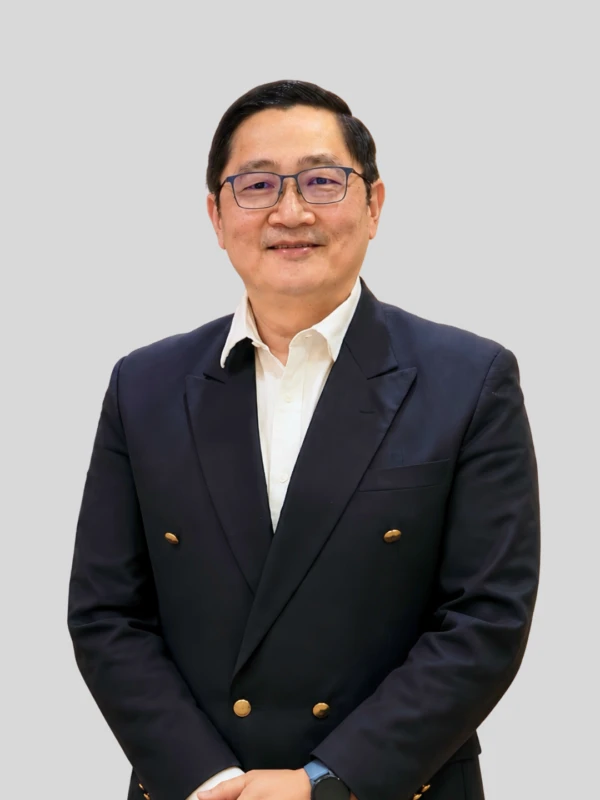
Dr Tham Seong Wai
Medical Director (Sunfert Ipoh) & Fertility Specialist- Sunfert@Ipoh
-
 Book a consultation
Dr Chong Jie Wen
Consultant Obstetrician, Gynaecologist & Fertility Specialist (Sessional)- Sunfert@Ipoh
-
 Book a consultation
Dr Evelyn Pang Mei Foong
Obstetrics, Gynaecology & Fertility Specialist- Sunfert@Seremban